What Does a Home Inspector Look for During a Home Inspection in Florida?
Buying a home is one of the largest investments most people will ever make. While a property may look great during a showing, there can be defects, safety concerns, deferred maintenance, and aging components that aren’t immediately apparent to a buyer.
That’s where a professional home inspection comes in.
During a home inspection, the inspector evaluates the home’s readily accessible and visually observable systems and components to help the buyer better understand the property’s overall condition.
In Florida, there are also unique conditions to consider. Our heat, humidity, heavy rainfall, hurricanes, and coastal environment can be particularly hard on homes.
So, what does a home inspector actually look for during a Florida home inspection?
Let’s take a closer look.
1. Roofing System
The roof is one of the most important—and potentially expensive—components of a Florida home.
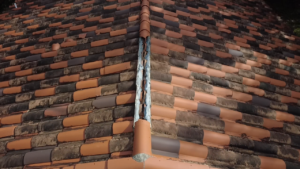
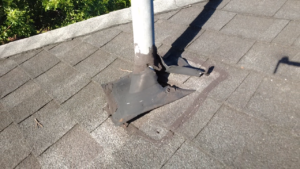
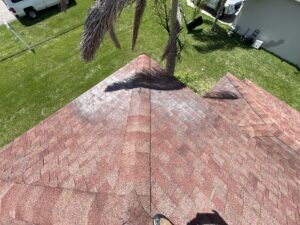
During the inspection, the roofing system is evaluated for its general condition and visible deficiencies, including items such as:
● Roof-covering condition
● Missing, damaged, deteriorated, or improperly installed roofing materials
● Flashings
● Roof penetrations
● Plumbing vent boots
● Skylights
● Signs of previous repairs
● Visible evidence of leakage or moisture intrusion
● Roof drainage components
● Gutters and downspouts, when present
● Chimneys and other roof penetrations
The inspector will also document the type of roof covering and look for signs of aging or deterioration that may indicate maintenance, repair, or further evaluation is needed.
Florida’s intense sunlight, heavy rain, tropical storms, and hurricanes make the condition of the roof especially important.
2. Exterior
The exterior of the home is inspected for conditions that could affect the structure, allow moisture intrusion, or create safety concerns.
This typically includes evaluating:
● Exterior wall coverings
● Stucco, siding, and masonry
● Exterior doors
● Windows
● Flashing and trim
● Eaves, soffits, and fascia
● Porches, patios, and decks
● Stairs, handrails, and guardrails
● Walkways and driveways
● Grading and drainage around the structure
● Vegetation in close proximity to the home
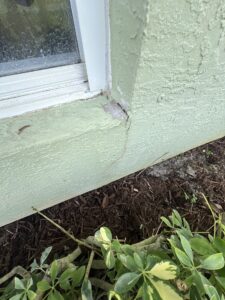
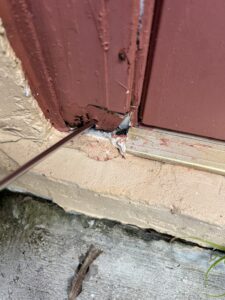
In Florida, moisture management is particularly important. Small openings, failed sealant, damaged exterior finishes, and poor drainage can allow water into areas where it may cause deterioration over time.
3. Foundation and Structural Components
The home’s visible structural components are evaluated for signs of damage, movement, deterioration, or other significant deficiencies.
Depending on the home’s construction, the inspector may evaluate:
● Foundation components
● Concrete slabs
● Crawlspaces
● Structural walls
● Floor structures
● Ceiling structures
● Roof framing
● Columns and supports
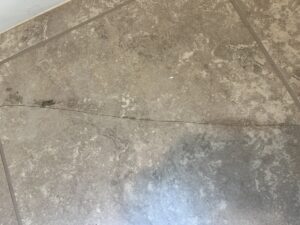
Cracks are common in concrete and masonry construction and do not automatically indicate a serious structural problem. However, their location, size, pattern, and surrounding conditions may warrant further evaluation.
4. Electrical System
Electrical problems can present both safety concerns and expensive repair issues.
During a home inspection, accessible portions of the electrical system are evaluated, including:
● Electrical service
● Main electrical panel
● Subpanels
● Breakers and fuses
● Visible wiring
● Branch circuits
● Receptacles
● GFCI protection
● Electrical fixtures
● Smoke alarms
● Carbon monoxide alarms, when applicable
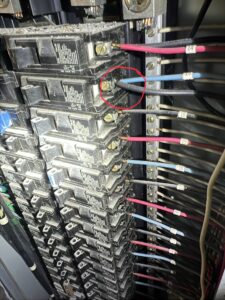
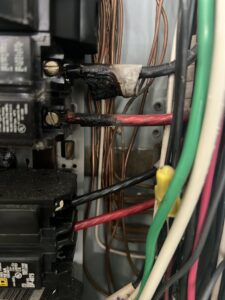
The inspector also looks for visible safety concerns such as damaged wiring, improper connections, missing protective components, overheating, and other electrical deficiencies.
Older Florida homes may also contain electrical equipment or wiring methods that deserve additional attention due to their age or history.
5. Plumbing System
Plumbing problems can range from a minor dripping faucet to concealed conditions capable of causing significant water damage.
The inspection generally includes accessible portions of the:
● Water supply piping
● Drain, waste, and vent piping
● Plumbing fixtures
● Faucets
● Toilets
● Sinks
● Tubs and showers
● Water heater
● Visible shutoff valves
● Drainage performance
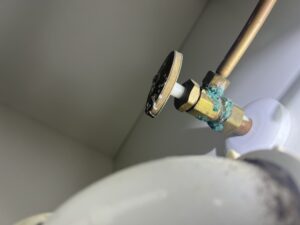
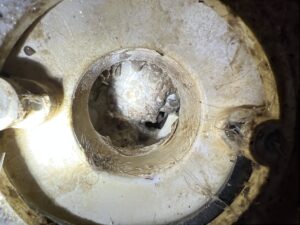
The inspector looks for leakage, corrosion, deterioration, improper installation, drainage problems, and other visible deficiencies.
Older homes may contain plumbing materials that have reached or are approaching the end of their expected service life.
6. Heating and Air Conditioning
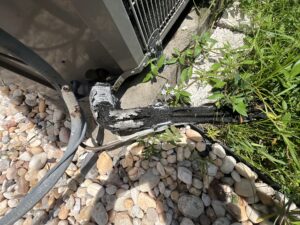
A properly functioning HVAC system is particularly important in Florida’s hot and humid climate.
The inspector evaluates the readily accessible heating and cooling equipment and looks for conditions such as:
● Proper system operation
● Visible equipment condition
● Signs of deterioration
● Condensate drainage problems
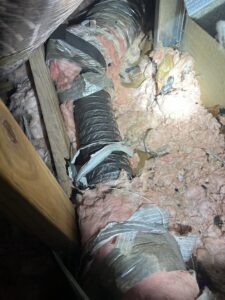
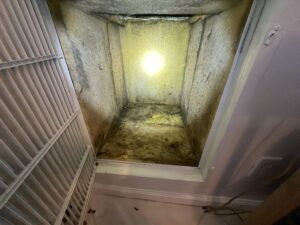
● Accessible ductwork
● Air filters
● Supply and return air
● Thermostat operation
The age and visible condition of the equipment can also help buyers anticipate future maintenance or replacement expenses.
An air-conditioning system can still be operational while being older or showing signs of deterioration. The inspection helps the buyer understand those conditions before purchasing the home.
7. Attic, Insulation and Ventilation
When safely accessible, the attic can provide valuable information about the home.
The inspector may evaluate:
● Roof framing
● Roof decking
● Visible evidence of roof leakage
● Moisture staining
● Insulation
● Ventilation
● Accessible electrical components
● Visible ductwork
● Bathroom exhaust termination
● Structural alterations or damage
Some attic areas may not be fully accessible due to limited clearance, insulation, HVAC equipment, ductwork, stored belongings, or other obstructions.
Even with these limitations, accessible attic areas can reveal conditions that may not be apparent from inside the living space.
8. Interior
The home’s interior is evaluated for visible defects, safety concerns, and indications of problems involving other systems.
The inspection typically includes:
● Walls
● Ceilings
● Floors
● Windows
● Doors
● Stairs
● Handrails and guardrails
● Accessible electrical receptacles
● Plumbing fixtures
● Installed components
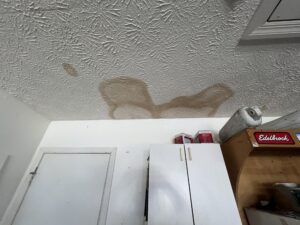
Inspectors also look for visible indications of moisture intrusion, staining, deterioration, or other conditions that may warrant additional investigation.
9. Kitchens and Built-In Appliances
The kitchen contains several different systems in a relatively small area, making it an important part of the inspection.
Accessible components may include:
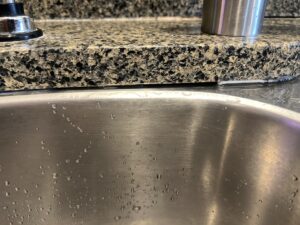
● Sinks and faucets
● Drainage
● Cabinets and countertops
● Electrical receptacles
● GFCI protection
● Dishwasher
● Garbage disposal
● Range or oven
● Cooktop
● Built-in microwave
● Range hood or exhaust system
Built-in appliances are generally operated using normal controls to determine whether they are functioning as intended at the time of inspection.
10. Bathrooms
Bathrooms are another area where moisture, plumbing, electrical, and ventilation systems come together.
The inspector evaluates accessible components such as:
● Toilets
● Sinks
● Faucets
● Tubs
● Showers
● Drainage
● GFCI protection
● Exhaust ventilation
● Walls, floors, and ceilings
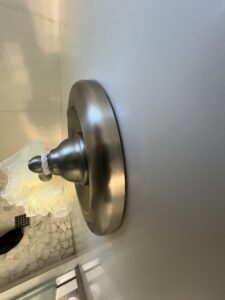
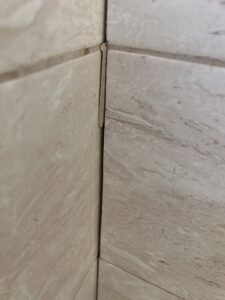
Special attention is given to visible evidence of leakage, moisture damage, deteriorated sealants, loose fixtures, and other conditions that could contribute to water intrusion.
11. Doors, Windows and Garage Components
Doors and a representative number of windows are inspected for operation and visible deficiencies.
The inspector may identify conditions such as:
● Damaged components
● Difficult operation
● Broken or deteriorated hardware
● Failed or fogged insulated glass
● Deteriorated sealants
● Water-related damage
● Safety concerns
When a garage is present, accessible garage components and the garage door operator are also evaluated.
A Home Inspection Is a Visual, Non-Invasive Inspection
It’s important for buyers to understand what a home inspection is—and what it isn’t.
A home inspection is primarily a visual, non-invasive evaluation of readily accessible systems and components.
Inspectors don’t open walls, remove flooring, dismantle equipment, or perform destructive testing. Furniture, personal belongings, insulation, finished surfaces, and inaccessible areas can also limit what can be observed.
Because of this, no home inspection can identify every possible defect or predict exactly when a component will fail.
Instead, the goal is to provide the client with a professional assessment of the home’s visible condition at the time of inspection.
Does a Home Pass or Fail an Inspection?
No.
A home inspection isn’t a pass-or-fail test.
Nearly every home has defects or maintenance items—even newer homes. Some findings may be relatively minor, while others may involve safety concerns, significant repairs, or components that warrant further evaluation by an appropriate specialist.
The purpose of the inspection is to give the buyer information they can use to make a more informed decision.
What Happens After the Home Inspection?
After the inspection, the client receives a detailed inspection report documenting the inspector’s observations.
At Florida Inspection Solutions, LLC, our home inspection reports include detailed descriptions and photographs of the conditions observed during the inspection. Reports are available in convenient HTML and PDF formats and are designed to be easy to review from a computer, phone, or tablet.
We also remain available after the inspection to answer questions about the report and help our clients better understand the findings.
Home Inspection vs. 4-Point Inspection vs. Wind Mitigation Inspection
These inspections serve very different purposes.
A full home inspection evaluates the overall visible condition of the home’s major systems and components and is typically performed as part of a real estate transaction.
A 4-Point Inspection focuses primarily on four systems—roofing, electrical, plumbing, and HVAC—and is commonly requested by Florida homeowners insurance companies.
A Wind Mitigation Inspection documents specific construction features that may help the home resist wind damage and may qualify the homeowner for insurance discounts.
Depending on the situation, a buyer may benefit from having all three inspections performed.
Why Florida Homes Deserve Special Attention
Florida homes are exposed to conditions that aren’t as prevalent in many other parts of the country.
High humidity, heavy rainfall, intense sunlight, tropical storms, hurricanes, and coastal conditions can contribute to deterioration of roofing materials, exterior finishes, HVAC equipment, sealants, fasteners, and other building components.
That’s why hiring an inspector familiar with Florida construction and our local environment can be particularly valuable.
Schedule a Home Inspection on Florida’s Treasure Coast
Whether you’re buying, selling, or simply want to better understand the condition of your home, a professional inspection can provide valuable information about the property.
Florida Inspection Solutions, LLC provides comprehensive residential home inspections throughout Florida’s Treasure Coast and surrounding communities, including:
● Vero Beach
● Sebastian
● Fellsmere
● Fort Pierce
● Port St. Lucie
● Jensen Beach
● Palm Bay
● Surrounding areas of Indian River, St. Lucie, Okeechobee, northern Martin, and southern Brevard counties
Our goal is simple: help you better understand the home so you can make an informed decision with confidence.
Need a Home Inspection?
Schedule your inspection with Florida Inspection Solutions, LLC today.
Call: 772-584-0355
Or use our online scheduling system to schedule your inspection.
Frequently Asked Questions About Florida Home Inspections
How long does a home inspection take?
Inspection time varies depending on the home’s size, age, condition, construction, and accessibility. A typical residential inspection often takes approximately two to three hours, although larger or more complex properties may take longer.
Should I attend my home inspection?
When possible, attending the inspection can be beneficial. It gives you an opportunity to learn more about the property and ask questions about the home’s systems and components.
What are the most common problems found during Florida home inspections?
Common findings can include roofing deterioration, moisture-related concerns, electrical deficiencies, plumbing leaks, HVAC issues, deteriorated exterior finishes, improper drainage, and deferred maintenance.
Is a 4-Point Inspection the same as a home inspection?
No. A 4-Point Inspection is primarily an insurance-related inspection focusing on the roof, electrical, plumbing, and HVAC systems. A full home inspection is considerably broader and evaluates many additional systems and components throughout the property.
Do I still need a home inspection on a newer house?
A home’s age doesn’t guarantee that it is free of defects. Newer homes can still have installation issues, damaged components, incomplete work, maintenance concerns, or other deficiencies. A professional inspection can help identify these conditions before purchasing the property.